
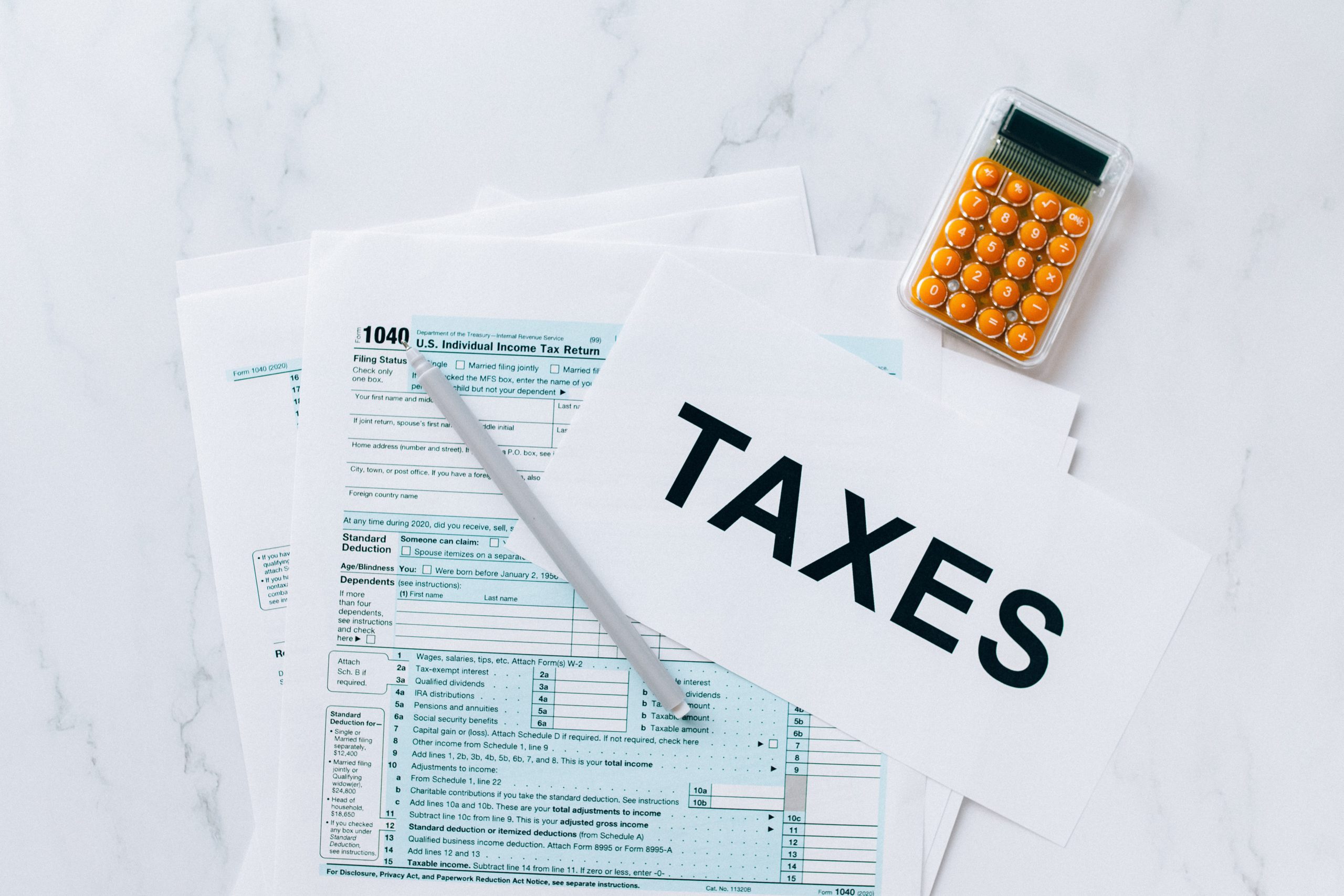
What Documents Do You Need for Accurate Tax Filing?
Tax season feels a lot easier when everything is in one place. Before you file, it helps to gather the right tax filing documents, from income forms and expense records to receipts, deductions, and business paperwork.
Whether you are filing as an individual or managing business tax requirements Fort Mill, SC, missing documents can slow things down or lead to mistakes. That is where tax filing services can make the process smoother.
With the right records ready, you can file with more confidence, avoid last-minute stress, and make sure your return is as accurate as possible.
What Documents Are Required for Business Tax Filing?
The exact list depends on your business type and tax situation, but most businesses need a core set of records that support income, expenses, payroll, assets, and ownership reporting. The IRS says your recordkeeping system should clearly show income and expenses and include summaries in your books and records, such as journals and ledgers.
Income Records
Start with anything that shows business income. That may include sales reports, invoices, 1099 forms received, bank deposit records, point-of-sale summaries, and payment processor reports. Your books should be able to trace how money came into the business.
Expense Records
You also need documents that support deductible business expenses. Common examples include vendor invoices, purchase records, canceled checks, bank statements, credit card statements, and receipts. These are the backbone of solid tax filing documents because deductions need support, not estimates.
Payroll and Contractor Records
If you have employees, keep payroll summaries, tax filings, wage reports, and employment tax records. If you pay contractors, keep payment records and related forms. IRS guidance specifically notes that employment tax records should be retained for at least four years.
Asset and Property Records
If your business bought equipment, vehicles, furniture, or other property, keep purchase documents, financing documents, and records that establish basis. The IRS says good records help you track your basis in property, which matters for depreciation and future tax reporting.
Ownership and Entity Documents
Depending on your structure, you may also need prior-year returns, Schedule K-1 forms, partnership or corporate records, and loan documents. IRS audit guidance specifically references documents like Schedule K-1 as records that may be requested in an examination.
In short, good tax filing services in Fort Mill, SC begin with records that prove where the money came from, where it went, who was paid, and what the business owns.
Do I Need Receipts for All Expenses?
Not for every single transaction in the same way, but you do need records that substantiate your deductions. The IRS says taxpayers must be able to prove expenses they deduct, and supporting documents can include receipts, canceled checks, and other records.
Receipts Are Often the Best Support
Receipts are especially useful because they usually show the amount, vendor, and date. For many routine purchases, they are the clearest proof that the expense actually happened. They are a key part of strong tax filing documents because they reduce guesswork later.
Some Expenses Need Especially Detailed Records
Travel, gifts, meals, and vehicle use often require more detailed substantiation. IRS instructions and publications note that certain expenses must be supported with records showing details like amount, time, place, and business purpose.
Bank and Card Statements Help, but May Not Be Enough
Statements are helpful because they show that money left the account, but they do not always explain exactly what was purchased or the business purpose. That is why many businesses keep both the transaction record and the receipt or invoice. This is one of the most practical parts of meeting business tax requirements in Fort Mill, SC: do not rely on memory when the paperwork can tell the story clearly.
Best Practice
- Keep receipts for purchases where the receipt explains the expense better than the bank statement does
- For recurring bills and vendor charges, keep the invoice plus proof of payment
- For mileage, travel, and meals, keep logs and notes that explain the business purpose
What Financial Statements Should I Prepare?
Strong tax prep is easier when your books produce clear financial statements. The IRS specifically says good records help you prepare financial statements and monitor the progress of your business.
Profit and Loss Statement
A profit and loss statement, or income statement, summarizes revenue and expenses for the year. This is one of the most important records to prepare because it gives your tax preparer a clean starting point for the return.
Balance Sheet
A balance sheet shows what the business owns and owes at a point in time. It can help support loan balances, assets, and equity details that may affect return preparation.
General Ledger
While not always called a “financial statement,” the general ledger is one of the most useful working documents in tax prep. It gives the detailed account-by-account history behind your totals and helps explain unusual entries or reclassifications. IRS guidance notes that business books and ledgers are central to a sound recordkeeping system.
Payroll and Sales Summaries
For many businesses, year-end payroll reports and sales tax or sales summaries also help tie the books to the return and make tax filing services more accurate.
If your records are clean enough to produce these reports, your filing process is usually much smoother.
How Do I Organize Tax Documents Efficiently?
The IRS says you may use any recordkeeping system suited to your business as long as it clearly shows income and expenses. That means your system does not have to look a certain way, but it does need to be consistent and understandable.
Organize by Category
A practical method is to separate tax filing documents into clear folders such as:
- income
- bank and credit card statements
- payroll
- contractor payments
- rent and utilities
- equipment and asset purchases
- vehicle and mileage
- travel and meals
- tax notices and prior returns
Organize by Month
Within each category, monthly folders make it easier to trace missing items and reconcile the books. This is especially helpful for businesses with steady transaction volume.
Keep Digital Copies
IRS guidance states that the same rules that apply to paper books and records also apply to electronic recordkeeping systems. Digital records are acceptable if they contain the required information.
Match Support to the Bookkeeping
One of the smartest ways to stay ahead of tax season is to make sure receipts, invoices, and statements line up with your accounting entries throughout the year. Waiting until year-end to sort everything creates more errors and more stress.
Good organization is not just about neatness. It is one of the easiest ways to meet business tax requirements in Fort Mill, SC without scrambling.
What Records Should I Keep for Audits?
For audit readiness, keep any record that supports income, deductions, credits, payroll, and ownership positions reported on the return. IRS Topic 305 explains that you must keep records that support items appearing on a return as long as they may become material in the administration of the tax law.
Core Audit-Support Records
These commonly include:
- receipts
- invoices
- canceled checks
- bank and credit card statements
- ledgers and journals
- payroll records
- mileage logs
- travel and meal support
- asset purchase and depreciation records
- prior tax returns
- ownership records and K-1s where applicable
IRS audit guidance also notes that, during an audit, the agency may request documents supporting income, deductions, or credits, and may request items like employment documents and Schedule K-1 information depending on the case.
Why Detail Matters
The more specific your records are, the easier it is to support a deduction. A line on a statement that says “card purchase” is weaker than an invoice that explains exactly what was purchased and why it was business-related.
Good tax filing services in Fort Mill, SC do not only prepare the return. They also help make sure the file behind the return is defendable if questions arise later.
How Long Should I Keep Tax Documents?
The IRS says you generally must keep records that support income, deductions, or credits until the period of limitations for that return runs out. In many cases, that period is generally three years, but some records should be kept longer depending on the issue involved.
General Rule
Three years is the common baseline for many records tied to filed returns. IRS materials and taxpayer guidance repeatedly reference this as the standard starting point.
Employment Tax Records
IRS small business guidance says employment tax records should generally be kept for at least four years.
Property and Basis Records
Some records need to be kept longer, especially those relating to business property, basis, depreciation, and asset sales. IRS guidance notes that records tied to property should generally be kept until the period of limitations expires for the year in which the property is disposed of.
Prior Returns Themselves
It is also wise to keep copies of filed returns. IRS taxpayer guidance notes that prior returns can help with future filings and amended returns.
Because retention rules depend on the type of record, many businesses keep core tax filing documents longer than the minimum when those records relate to assets, ownership, payroll, or major transactions.
Can a Bookkeeper Help Gather Tax Documents?
Yes. A bookkeeper can be a major help in gathering and organizing records for tax season. While the tax preparer files the return, the bookkeeper often helps build the clean paper trail that makes filing accurate and efficient. This is an inference based on how bookkeeping supports IRS-required recordkeeping and financial statement preparation.
What a Bookkeeper Typically Helps With
A bookkeeper can help:
- reconcile bank and card accounts
- identify missing receipts or statements
- organize income and expense records
- prepare profit and loss and balance sheet reports
- separate personal and business activity
- flag unusual transactions before tax filing
This is where professional bookkeeping services play a critical role in keeping records accurate throughout the year.
Why That Matters
The IRS emphasizes that good records help prepare financial statements, track income and expenses, and support items on the return. A bookkeeper helps turn scattered records into something usable.
Better Preparation, Fewer Surprises
When bookkeeping is updated throughout the year, tax prep usually moves faster and with fewer corrections. That can make tax filing services more efficient and reduce the risk of missed deductions or unsupported numbers.
For many businesses, a good bookkeeper is not just administrative help. They are part of building a stronger tax-ready system. For deeper insights, see why small businesses should consider outsourced bookkeeping services.
Final Thoughts
Accurate filing starts with accurate records. Income reports, receipts, invoices, payroll details, financial statements, asset records, and prior returns all play a role in creating solid tax filing documents and meeting the IRS recordkeeping standards businesses are expected to follow.
If you want smoother tax preparation for small to medium businesses, the best time to get organized is before deadlines pile up. Clear records make it easier to prepare returns, claim legitimate deductions, answer questions, and stay on top of business tax requirements with less confusion and less last-minute scrambling.
Get Your Tax Records Ready Before Deadlines Hit
Tax season feels easier when your records are already in order. Income reports, receipts, invoices, payroll details, financial statements, asset records, and prior returns all help create accurate tax filing documents and support IRS recordkeeping requirements.
Instead of waiting until deadlines pile up, get organized early with Abacus Tax & Books. We help businesses clean up books, gather key documents, and prepare tax-ready records so filing feels clearer, smoother, and less stressful from start to finish. Get started by reaching out through our contact page.