
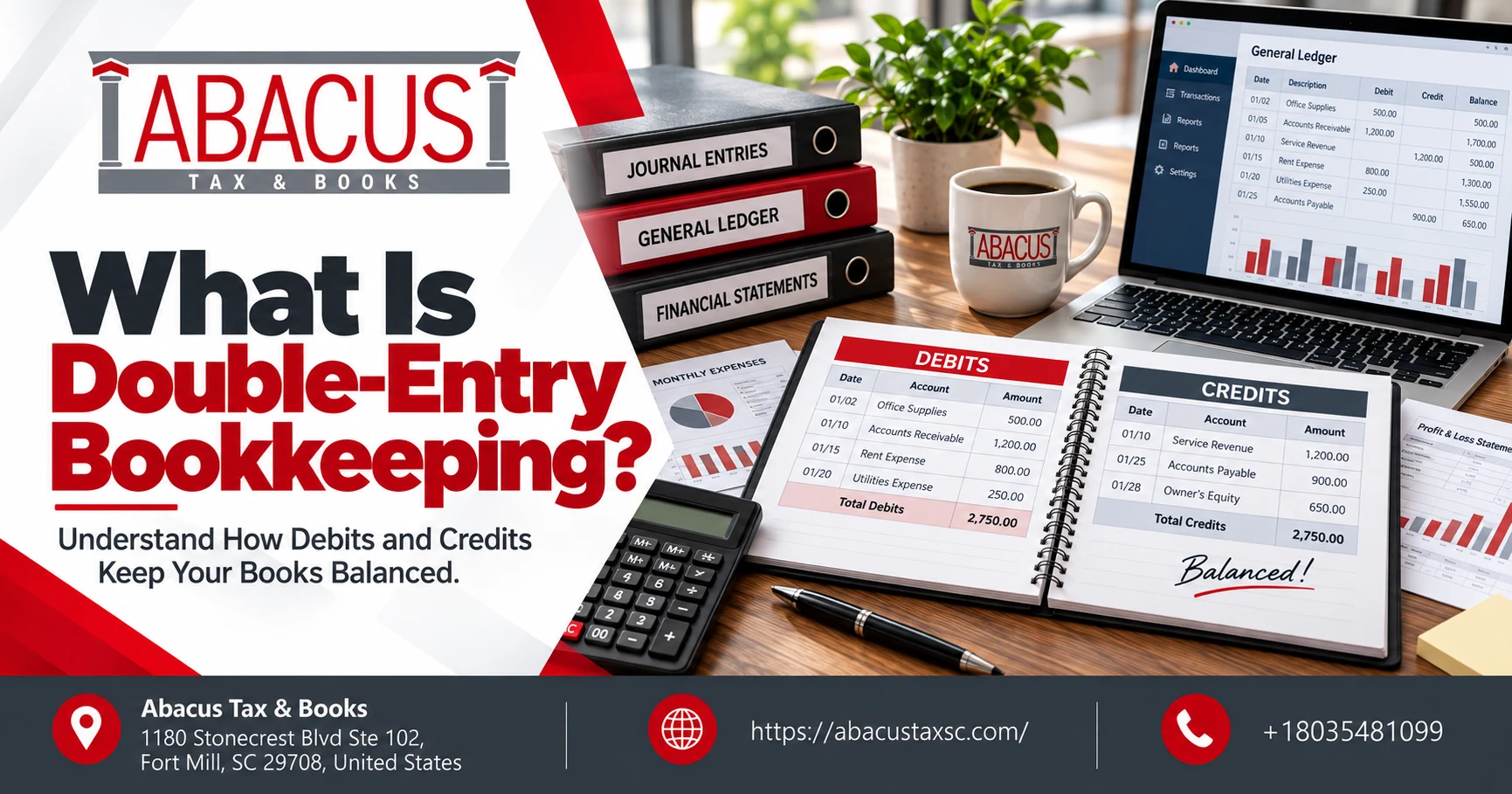
Double-entry bookkeeping is an accounting method where every financial transaction affects at least two accounts. One side of the transaction […]
Bookkeeping errors can create tax problems when they lead to missing income, unsupported deductions, incorrect expense categories, or incomplete records. […]
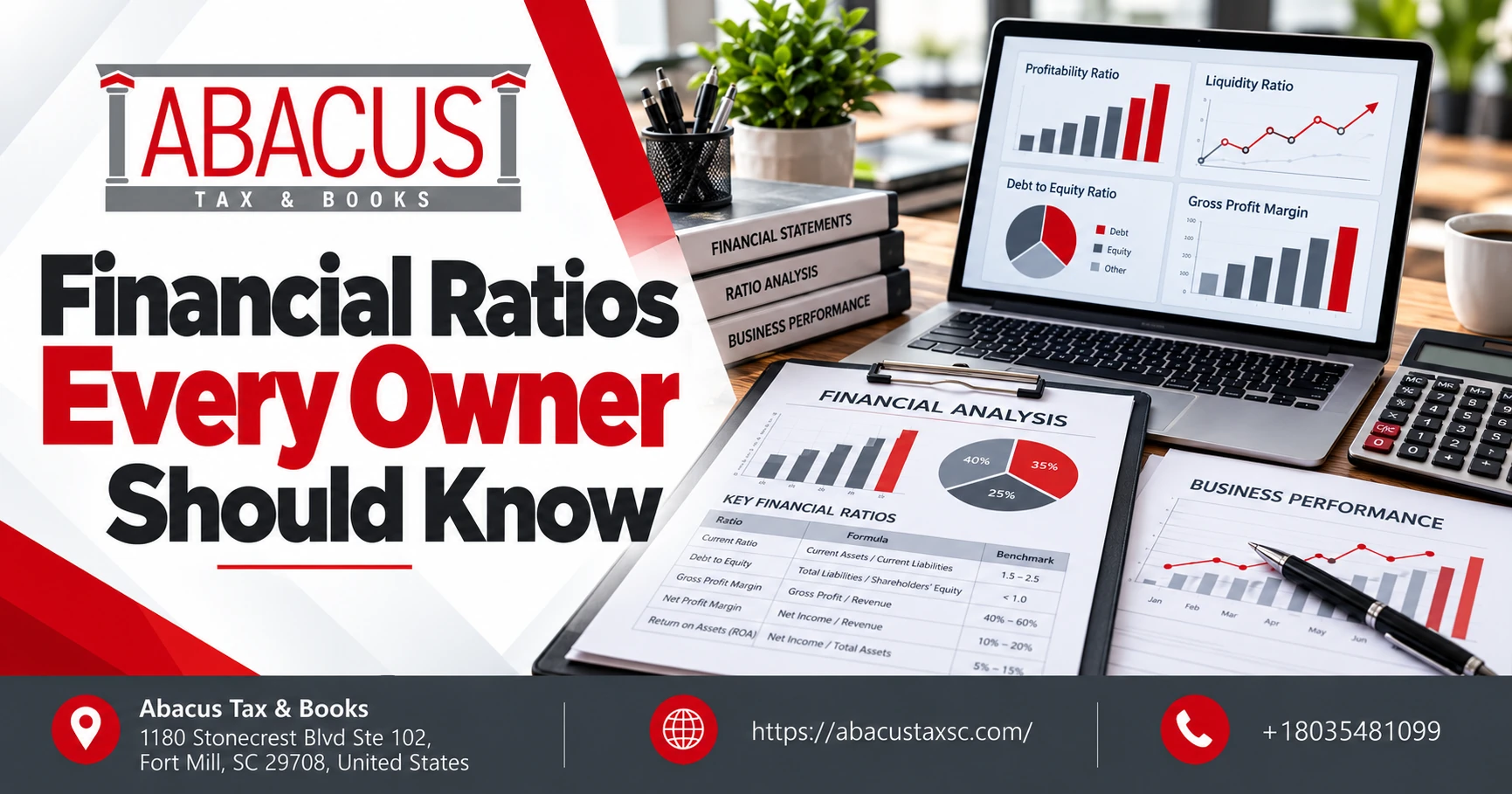
Financial ratios help business owners turn accounting numbers into information they can actually use. By comparing figures from the balance […]
A year-end accounting checklist helps business owners organize financial records, confirm account balances, and prepare accurate information for tax filing. […]
A month-end closing checklist helps business owners make sure their financial records are complete, accurate, and ready for review. By […]

Managing accounts payable well is about more than paying bills on time. A reliable process helps a business track what […]
Strong accounts receivable best practices can help businesses get paid faster, reduce overdue balances, and maintain healthier cash flow. The […]
Gross profit vs net profit comes down to how much of a business’s expenses are included in the calculation. Gross […]
Working capital is the difference between a business’s current assets and current liabilities. In simple terms, it shows whether a […]
Choosing the right fiscal year means deciding which 12-month accounting period your business will use to organize financial records and […]