
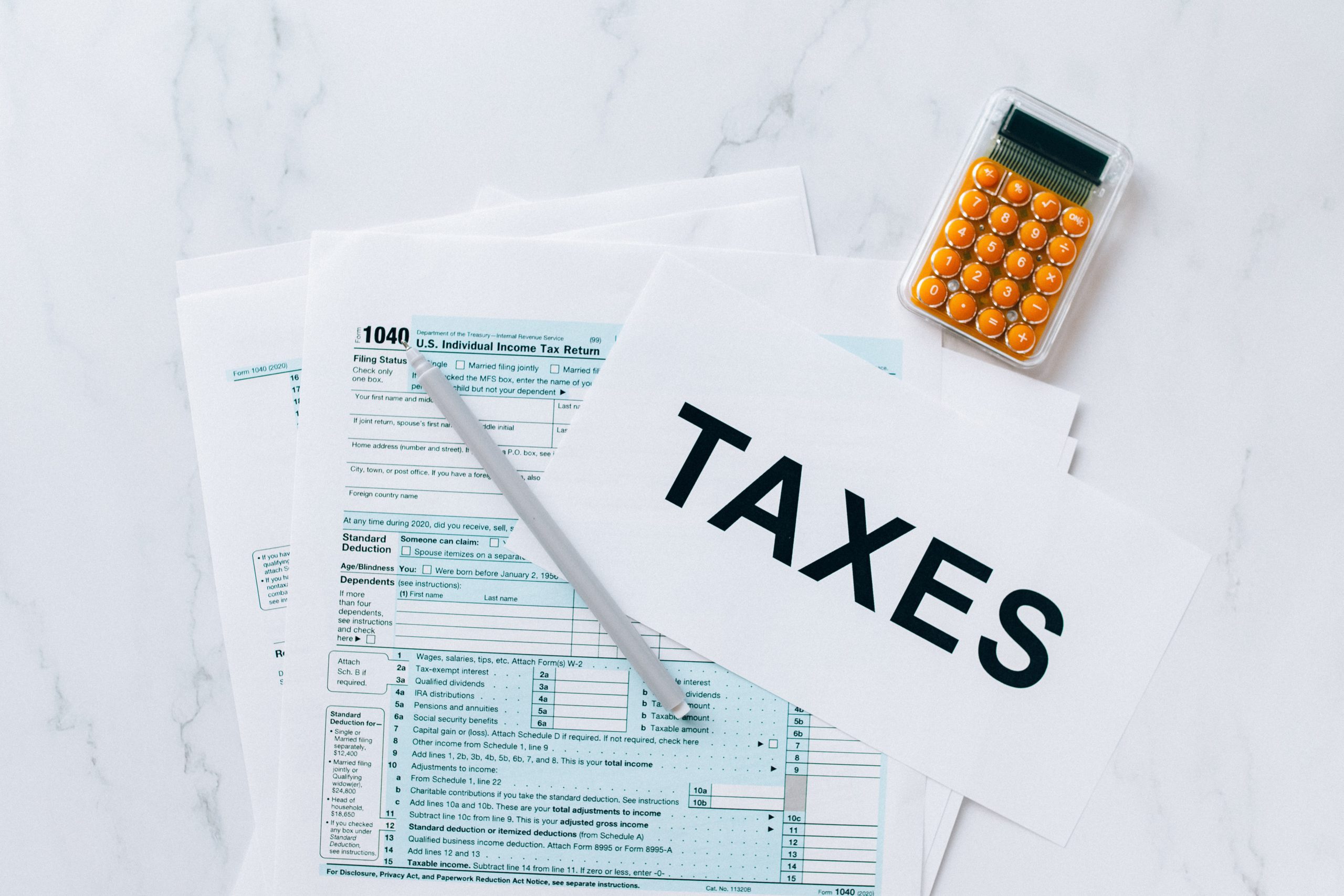
How to Prepare Your Business Financials for Tax Season
Tax season is a lot less stressful when your numbers are already in order. If your receipts, income records, expenses, payroll details, and reports are scattered, now is the time to clean things up. Good business financial preparation helps you avoid last-minute scrambling, missed deductions, and filing mistakes.
With the right tax preparation services in Fort Mill, SC, you can organize your records, review your books, and prepare for tax season with more confidence. A little planning now can save you time, stress, and confusion when deadlines start getting close.
How Do I Prepare My Books For Tax Season?
Preparing your books for tax season starts with making sure your records are current, categorized correctly, and backed by supporting documents. The IRS says businesses may use any recordkeeping system suited to the business as long as it clearly shows income and expenses.
Make sure all income is recorded
Start by reviewing every source of business income. That may include invoices, payment processor reports, sales summaries, customer payments, 1099 forms received, and bank deposits. Your books should reflect all business income clearly and consistently. The IRS specifically says your records should identify sources of income.
Review and clean up expense categories
Next, go through your expenses and make sure they are categorized properly. If transactions are sitting uncategorized or posted to the wrong accounts, your reports will not be reliable. This is one of the most important parts of business financial preparation in Fort Mill, SC because tax prep is only as accurate as the bookkeeping behind it.
Match transactions to support documents
The IRS requires records that support items of income, deduction, and credit. That means your books should be backed up with receipts, invoices, canceled checks, bank statements, and similar records when appropriate.
Make year-end adjustments if needed
Depending on your business, you may need to review asset purchases, loan balances, owner draws, payroll totals, and other items before filing. If you use professional tax consulting and advice, this is the point where your preparer or bookkeeper may flag transactions that need correction or reclassification.
A good way to think about it is this: preparing your books means turning raw transactions into accurate financial information that is ready to support a tax return.
What Financial Reports are Needed For Taxes?
The exact reports can vary by business type, but most businesses should have a clear profit and loss statement, balance sheet, and supporting detail from the general ledger before tax filing begins. The IRS says good records help businesses prepare financial statements and tax returns.
Profit and loss statement
A profit and loss statement shows revenue and expenses for the year. This is one of the most important reports used in tax preparation services in Fort Mill, SC because it helps summarize how the business performed and what deductions may be involved.
Balance sheet
A balance sheet shows what the business owns, what it owes, and the owner’s equity at a specific point in time. This report is important for tracking loan balances, business assets, retained earnings, and other items that may affect tax reporting.
General ledger detail
The general ledger provides the account-by-account transaction history behind the totals. It is often the report that helps explain unusual numbers, spot posting mistakes, and support cleanup work before filing.
Payroll and contractor summaries
If your business has employees or contractors, payroll summaries and contractor payment records are also important. The IRS specifically notes that employment tax records must be kept and that employment records should be retained for at least four years.
Asset and depreciation records
If the business bought equipment, vehicles, furniture, or other depreciable assets, those purchase records and depreciation schedules should be reviewed as part of business financial preparation in Fort Mill, SC. The IRS notes that good records help track your basis in property.
The short version is that you want reports that explain income, expenses, balances, payroll activity, and assets clearly enough that a preparer can file accurately without guessing.
When Should I Start Preparing For Tax Filing?
You should start preparing well before filing deadlines. The earlier you begin, the more time you have to identify missing records, fix mistakes, and avoid a rushed return. The IRS advises businesses to record transactions when they occur and says it is generally best to record them on a daily basis.
Do not wait until year-end
One of the biggest mistakes businesses make is waiting until the last minute to prepare for tax season. If you wait until deadlines are close, you are much more likely to discover unreconciled accounts, missing statements, incomplete expense records, or bookkeeping errors that take time to fix.
Year-round preparation works best
Strong business financial preparation is really an ongoing process. When records are updated consistently throughout the year, tax filing becomes much easier. IRS guidance on small-business recordkeeping emphasizes maintaining books and summaries of business transactions rather than rebuilding them later from memory.
A practical timeline
For many businesses, a good rhythm looks like this:
- keep bookkeeping current throughout the year
- review year-end reports shortly after the books close
- gather tax documents as forms arrive
- give your preparer clean records early enough for review and questions
That schedule gives you time to work through issues before deadlines create pressure.
How Do I Avoid Last-Minute Tax Stress?
Last-minute tax stress usually comes from one of three things: disorganized books, missing support documents, or starting too late. The IRS notes that well-organized records make it easier to prepare a tax return and help provide answers if a return is examined or a notice is received.
Keep records organized by category
A simple filing system can make a huge difference. Keep income records, expense support, payroll records, tax notices, prior returns, and bank statements in clearly labeled folders. This can be done digitally, on paper, or both, as long as the records are complete and understandable. The IRS accepts electronic recordkeeping systems as long as they retain the necessary information.
Do not mix personal and business activity
One of the easiest ways to create stress at tax time is mixing personal and business transactions in the same accounts. It forces extra cleanup work and makes it harder to support deductions accurately.
Reconcile regularly
If bank and credit card accounts are reconciled throughout the year, there is much less work to do at filing time. Reconciliation is one of the most practical ways to avoid surprises.
Work with help before you feel overwhelmed
If your books are behind, do not wait until the filing deadline is close. One of the biggest values of tax preparation for small to medium businesses is that they can identify issues early, but they need enough time to do that well.
In simple terms, the best way to avoid last-minute stress is to turn tax prep into a routine process instead of a deadline emergency.
Should I Reconcile Accounts Before Filing Taxes?
Yes, absolutely. Reconciling accounts before filing taxes is one of the most important parts of accurate tax preparation. While the IRS does not use the bookkeeping term “reconcile” in every small-business guide, its recordkeeping rules clearly require records that accurately show income and expenses and support what appears on the return.
Why reconciliation matters
Reconciliation means making sure the transactions in your books match your bank statements, credit card statements, and other financial records. If those accounts are not reconciled, your reports may include missing income, duplicate expenses, or incorrect balances.
Reconciliation helps catch errors
This process helps uncover:
- missing transactions
- duplicate entries
- payments posted to the wrong account
- uncleared checks
- incorrect beginning balances
- personal charges mixed into business activity
These are exactly the types of issues that can make business financial preparation in Fort Mill, SC much more difficult if left unresolved.
It makes reports more trustworthy
When accounts are reconciled, your profit and loss and balance sheet become far more reliable. That means your preparer can use them with more confidence and spend less time doing cleanup work.
If you are serious about filing an accurate return, reconciling accounts before tax filing is not optional. It is a core step.
What Common Mistakes Should I Avoid?
Most tax-season problems come from a small group of repeat mistakes. Avoiding them can make filing simpler and more accurate.
Waiting too long to start
The longer you wait to prepare for tax season, the more likely you are to run into missing records, unanswered questions, and rushed decisions.
Using incomplete books
Trying to file from books that are not reconciled or fully categorized is one of the biggest mistakes a business can make. Incomplete bookkeeping creates unreliable reports. If you’re unsure where to start, reviewing this ultimate small business tax preparation checklist can help guide your process.
Missing support for deductions
The IRS says taxpayers must keep records, such as receipts, canceled checks, and other documents that support items shown on the return. If you cannot support the deduction, it becomes harder to defend it later.
Ignoring payroll and contractor details
Businesses with employees or contractors often underestimate how important those records are. Payroll reports, tax filings, and contractor payment records should be ready and complete before return preparation begins.
Mixing personal and business expenses
This creates confusion, increases cleanup time, and can weaken your documentation if deductions are questioned.
Not keeping records long enough
The IRS says you generally must keep records that support items of income, deduction, or credit until the period of limitations runs out, which is generally three years in many cases, though some records should be kept longer depending on the issue.
Avoiding these mistakes is a big part of successful tax preparation services because the cleaner the records are, the smoother the filing process becomes.
Can a Bookkeeper Help With Tax Preparation?
Yes. A bookkeeper can be extremely helpful in getting your records tax-ready, even though the actual return may be prepared by a tax preparer or CPA. This is an inference based on the IRS’s emphasis on accurate books, ledgers, summaries, and supporting documentation as the foundation for tax preparation.
What a bookkeeper typically helps with
A bookkeeper can help by:
- updating and cleaning the books
- categorizing transactions correctly
- reconciling bank and credit card accounts
- gathering missing statements or receipts
- preparing financial reports
- identifying transactions that need clarification before filing
Why that matters
When the books are clean, the tax preparer can focus on filing accurately instead of spending extra time rebuilding the records. That often means fewer delays, fewer correction requests, and a better overall filing process.
Better teamwork creates smoother filing
For many businesses, the strongest setup is a clean handoff between bookkeeping services and tax preparation services. The bookkeeper organizes the financial records, and the tax preparer uses those records to prepare the return. That teamwork supports stronger business financial preparation and reduces the risk of filing from incomplete or messy books.
Final Thoughts
Preparing your business financials for tax season is really about creating clarity before deadlines arrive. When your books are current, your accounts are reconciled, your documents are organized, and your reports are accurate, tax filing becomes far more manageable. The IRS makes it clear that good records support tax returns, deductions, and financial statements, which is why early preparation matters so much.
If you want to prepare for tax season with less stress, better numbers, and fewer surprises, the best time to start is before things feel urgent. Strong business financial preparation Fort Mill, SC helps your business avoid rushed corrections, missing records, and last-minute confusion. It also gives your preparer the information needed to do the job right.
Get Your Books Tax-Ready Before the Rush
Tax season is easier when your records are already clean, current, and organized. Strong business financial preparation helps you avoid missing documents, rushed corrections, and last-minute stress. With accurate books, reconciled accounts, and clear reports, your tax preparer has what they need to file with confidence.
Abacus Tax & Books provides dependable tax preparation services to help you prepare for tax season with better numbers and fewer surprises. Let’s turn tax-time pressure into a smoother, more organized process.